UNLV Gains Early Access to Future Classroom Technology After Japan Exchange
Listen to this article
After an international education technology exchange in Japan, UNLV is gaining early insight into the future of classroom technology and helping shape what’s coming next.
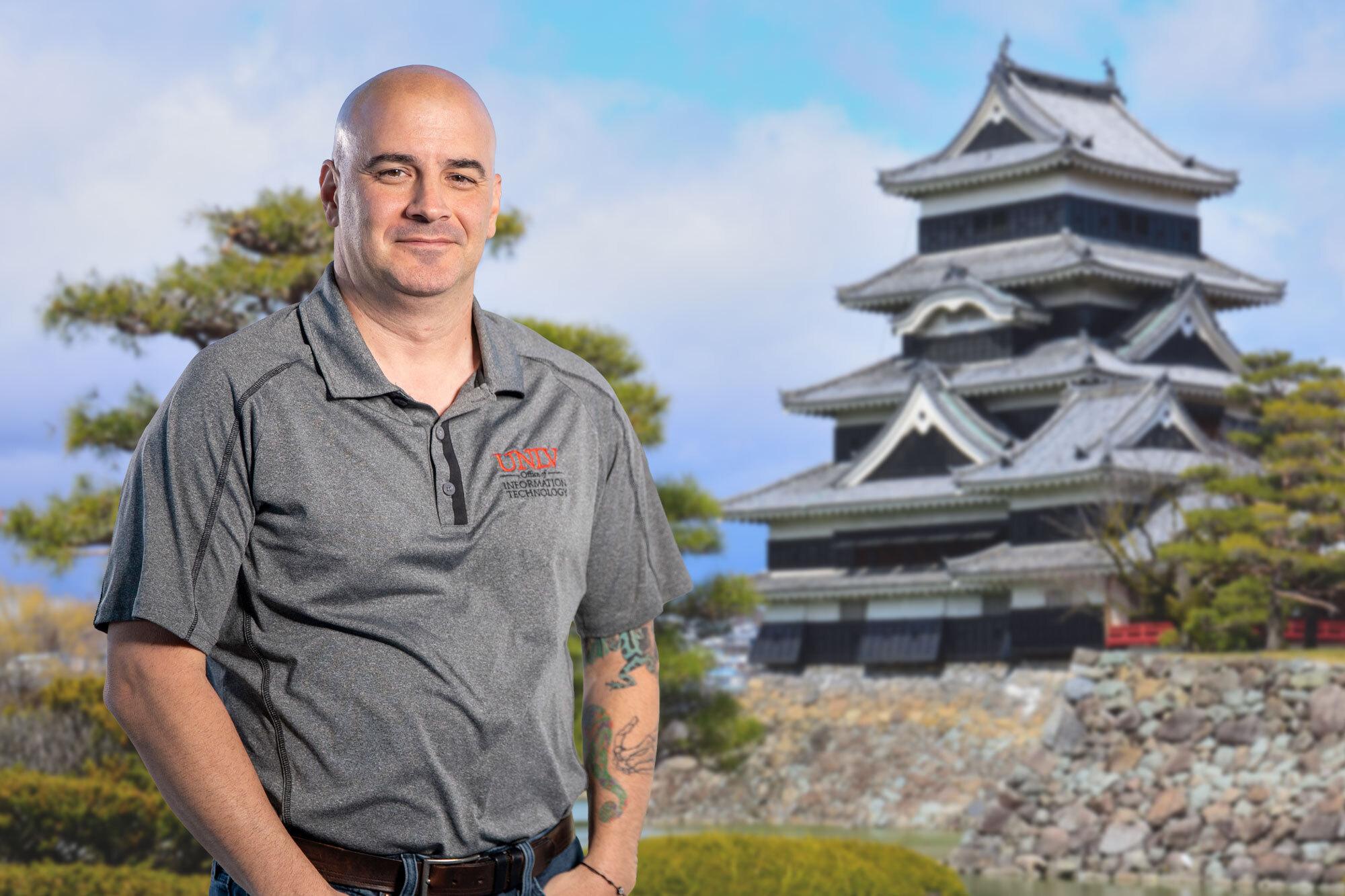
That’s the result of Frank Alaimo’s recent trip to Japan. Epson invited the classroom technology services manager from UNLV’s information technology (IT) team to participate in its Higher Education Exchange in April. The company makes projectors, printers, and interactive displays used on college campuses.
The program brought together IT leaders from across the country, including UCLA, Vanderbilt, Johns Hopkins, Penn State, and Texas Tech, to explore how classrooms are evolving and what students and faculty will need in the years ahead. The group also toured Epson’s headquarters and microchip facility, getting a behind-the-scenes look at how classroom technology is made.
Better Classrooms at UNLV
For students and faculty, the impact is simple: better classrooms.
By working directly with a company that manufactures classroom technology, UNLV can help shape how future tools are designed. That includes presentation systems, collaborative technology, and hybrid learning setups that support both in-person and remote instruction.
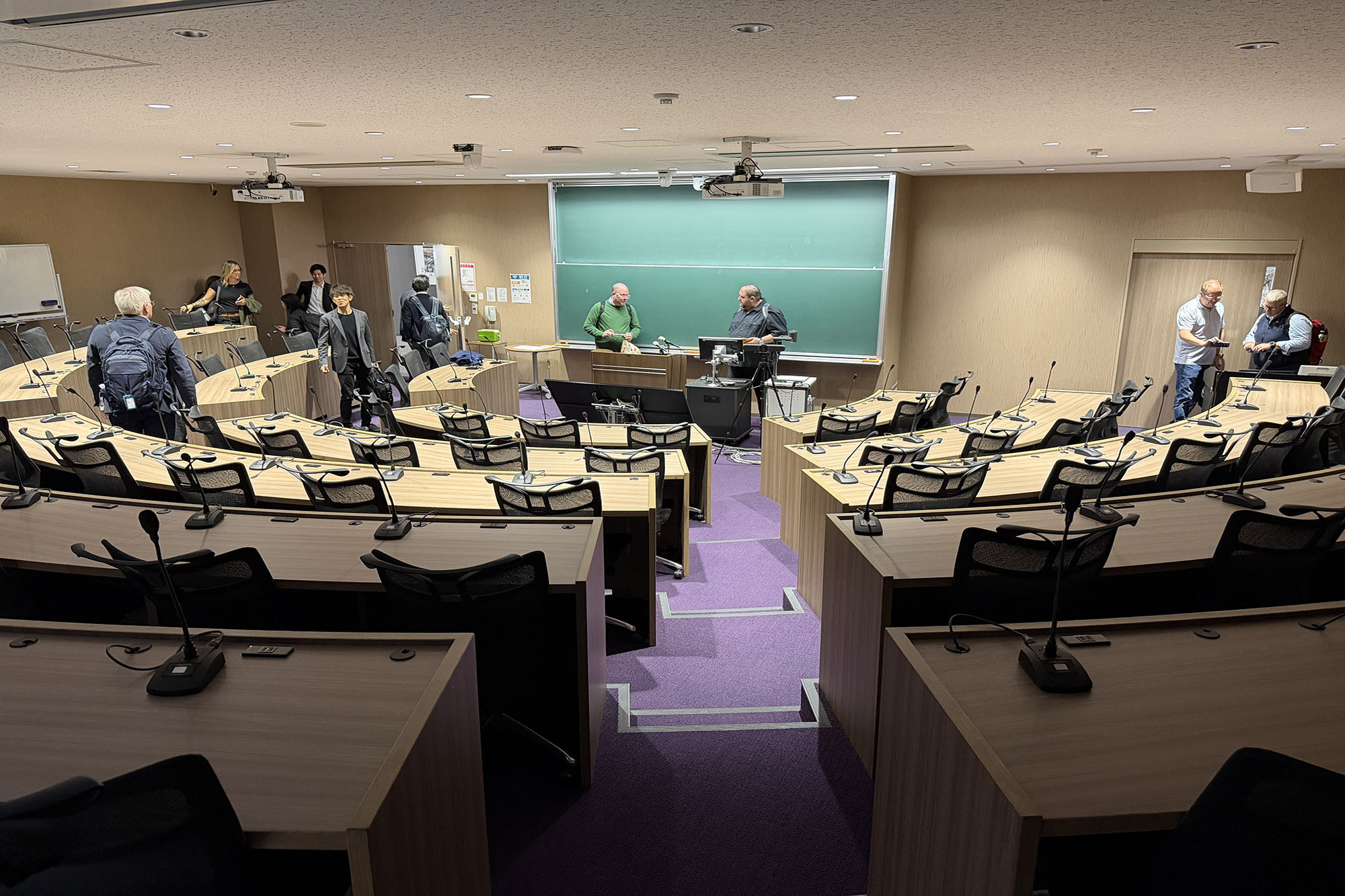
During the exchange, Alaimo and the group also met with Epson engineers and product teams to talk about what universities actually need in classrooms, helping ensure those real-world needs are reflected in future technology.
The university also gets an early look at new technology before it reaches campus, helping leaders make long-term investments in tools that improve teaching and learning, according to Alaimo.
Shared Challenges
Alaimo said that one of the biggest takeaways was the similarities between universities in Japan and the U.S.
During visits to Suwa University of Science and Ritsumeikan University, he saw a shared focus on flexible classrooms, reliable classroom technology, and hybrid spaces that support both in-person and remote learning.
Those priorities are the same ones UNLV is already working on.
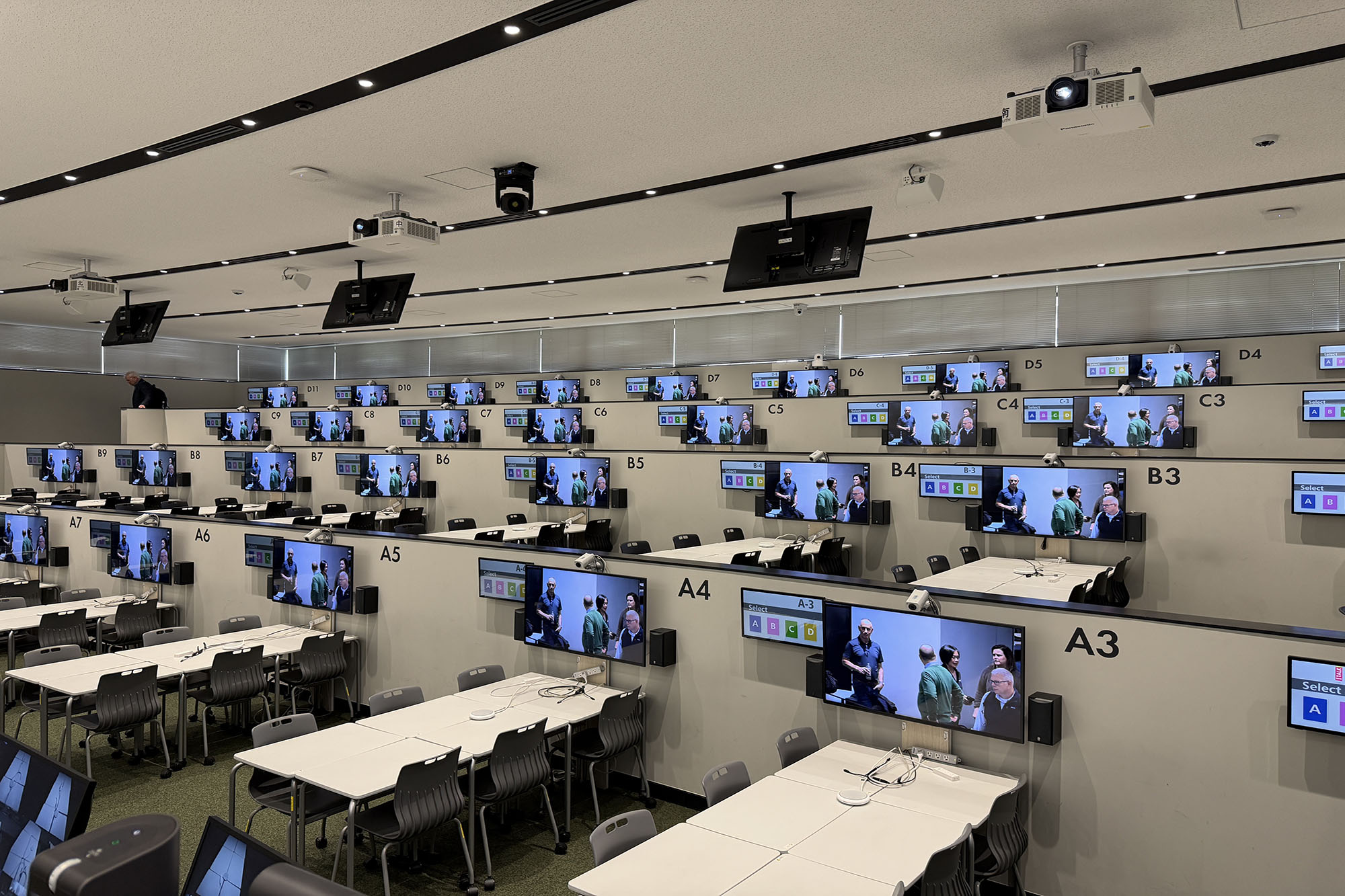
“It’s amazing to travel all the way to Japan and see universities have the same goals and challenges we have here in the states,” Alaimo said. “No matter the language barrier, we are in the same boat.”
Universities in both countries are also facing some of the same challenges. They’re all working to keep up with changing technology, create more flexible learning spaces, and make systems easy for faculty to use while keeping students engaged.
Looking Ahead
As higher education continues to evolve, demand for hybrid and flexible learning spaces is growing.
The insights from this trip give UNLV a clearer path forward for upgrading classrooms and investing in technology.
Instead of reacting to trends, the university can plan with a better understanding of what’s working globally. It also helped build connections with other universities and industry partners, opening the door to new ideas and solutions.
For Alaimo, this experience goes beyond observation.
It puts UNLV in a stronger position to make informed decisions, improve classrooms, and keep up with changes in how students learn and how faculty teach.
Related Articles

Defending Your Turf: Your Defensive Playbook Against the New Cyber Playing Field
Cybercriminals are changing up their playbook with malicious QR codes and deepfakes. Here are ways to protect yourself and your teammates.
Las Vegas Students Learn to Create Tools and Solve Problems with AI at UNLV
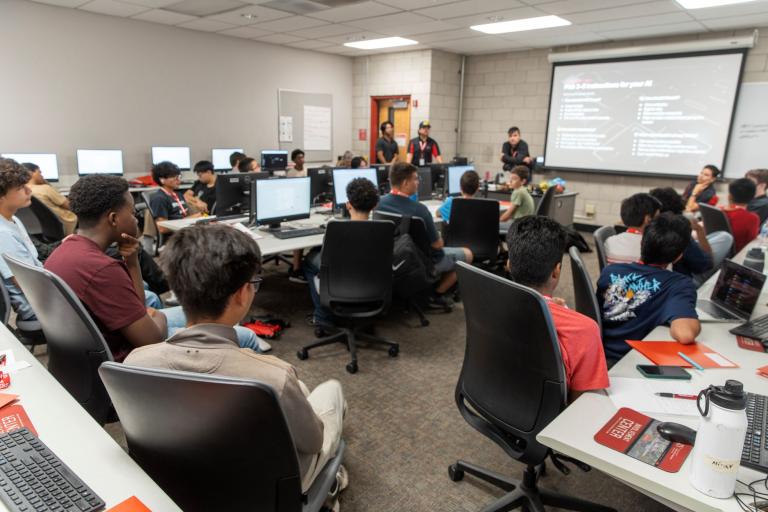
UNLV’s AI Explorers Camp gave 25 middle and high school students hands-on experience with artificial intelligence and plans to expand next summer.
What UNLV Faculty and Staff Should Do Before Fall Semester Begins
From eduroam WiFi to WebCampus, here’s what to check to get you ready for the first day of the semester.